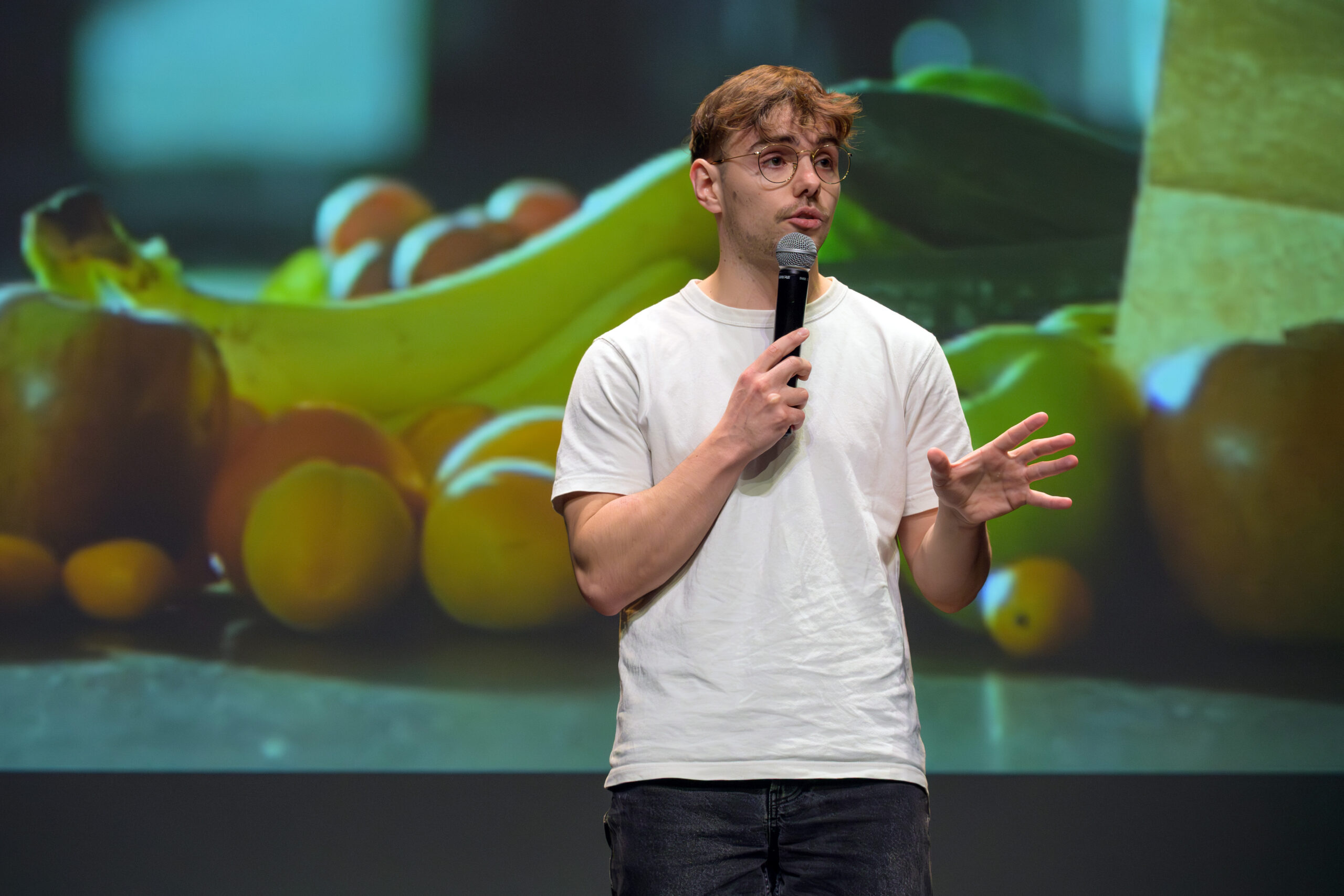



PRESS RELEASE - “Waste-to-nutrition" technologies aim to transform agricultural or food waste into ingredients for human and animal consumption, while reducing the environmental impact of food systems. INRAE scientists assessed the environmental impact of 5 of these technologies in nine usage scenarios in France. They compared them with existing waste recovery technologies such as anaerobic digestion and composting. Their results, published in Nature Sustainability, show that these new technologies do not systematically provide any environmental benefits compared with existing solutions.
Published on March 17, 2025 on the INRAE website
References
Deeney, Megan et al. Global health burdens of plastics: a lifecycle assessment model from 2016 to 2040, The Lancet Planetary Health, Volume 10, Issue 1, 101406
DOI: 10.1016/j.lanplh.2025.101406
Contact
Lorie HAMELIN