In order to monitor and quantify antioxidant production, a team of scientists from the Toulouse biotechnology institute (TBI - INRAE / INSA Toulouse / CNRS) have just developed a biological quality sensor (biosensor) for the antioxidant potential of molecules, using yeast.
Article published on October 23, 2023
Antioxidants, protectors of our cells
Compléments et conservateurs essentiels pour l’alimentation humaine et animale, les antioxydants jouent un rôle clé dans le domaine de la santé et de la nutrition.
A molecule is said to be antioxidant when it slows down or prevents the oxidation of other chemical substances. Oxidation is a classic chemical reaction, notably occurring in cells during the cellular respiration process, where sugar is broken down in the presence of oxygen to release energy. However, these oxidation reactions can lead to the production of free radicals, highly reactive chemical entities that degrade cellular constituents and structures.
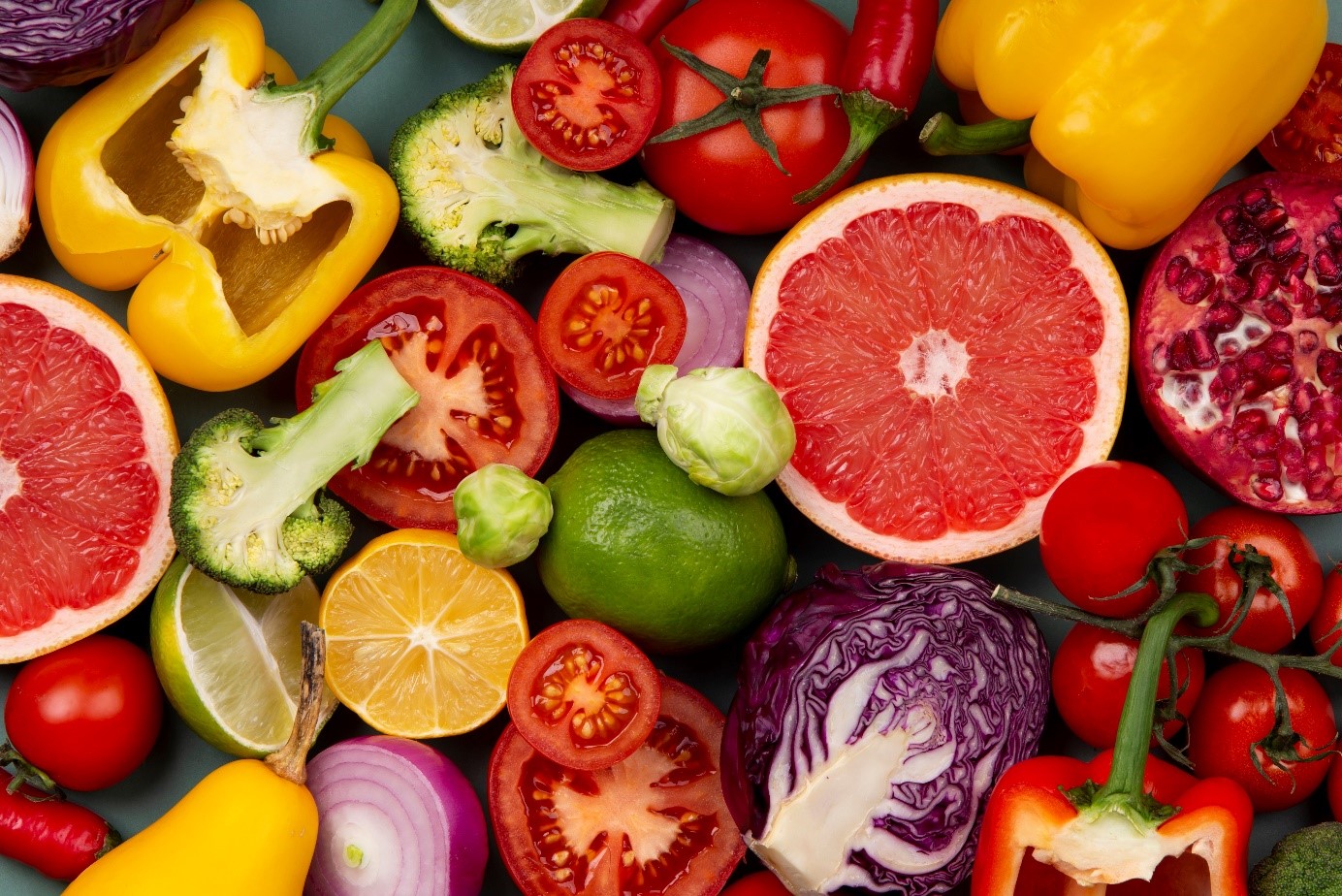
Antioxidants are molecules naturally present in our diet and capable of protecting our cells against these free radicals. At moderate levels, they have beneficial effects. On the other hand, if their concentration becomes too high, they can damage cells, lipids, proteins and DNA, which can lead to the onset of disease and cancer.
En raison de leur pouvoir protecteur, les antioxydants, sont de plus en plus plébiscités et utilisés dans les domaines de la santé, de la nutrition et du bien-être. Bien qu’il existe un grand nombre d’antioxydants synthétiques, la demande d’antioxydants d’origine naturelle est très élevée. Leur bioproduction par des microorganismes est plus écologique et durable, mais aussi très concurrentielle et il est important de pouvoir la suivre et la quantifier.
Yeast as a biosensor of the antioxidant power of molecules
Scientific studies have already developed ways of controlling and monitoring the synthesis of antioxidant molecules, but some can be restrictive, costly or tricky to implement.1,2 .
That's why the TBI team wanted to work on a well-known yeast, the brewer's yeast known as Saccharomyces cerevisiae.It is one of the best genetically developed eukaryotic (i.e. with a nucleus in the cell) models, with simple nutritional requirements, and is quick and easy to grow.
Thanks to these yeasts, scientists have developed a simple test enabling the detection and quantification of certain antioxidant molecules such as resveratrol, epigallocatechin gallate, quercetin and astaxanthin, when placed in the presence of yeast. It's a conclusive test for detecting and quantifying antioxidants.
But the test goes further, as it also shows that it is possible to monitor antioxidant biosynthesis directly in the microorganisms that produce them. By genetically modifying a yeast plant, scientists have monitored and quantified the synthesis of a "natural" type of antioxidant: carotenoids.
In addition to its ease of implementation, this yeast-based quantification method also makes it possible to measure, characterize and study the physiological effect of antioxidant molecules bioproduced by microorganisms. It could therefore be very useful for improving the strains of microorganisms commonly used for antioxidant production.
References
Gosselin-Monplaisir, T.; Dagkesamanskaya, A.; Rigal, M.; Floch, A.; Furger, C.; Martin-Yken, H. A New Role for Yeast Cells in Health and Nutrition: Antioxidant Power Assessment. Int. J. Mol. Sci. 2023, 24, 11800. https://doi.org/10.3390/ijms241411800 1Wolfe, K.L.; Liu, R.H. Cellular Antioxidant Activity (CAA) assay for assessing antioxidants, foods, and dietary supplements. J. Agric. Food Chem. 2007, 55, 8896–8907. 2Gironde, C.; Rigal, M.; Dufour, C.; Furger, C. AOP1, a new live cell assay for the direct and quantitative measure of intracellular antioxidant effects. Antioxidants 2020, 9, 471
Contacts
Hélène MARTIN-YKEN, Chargée de recherche INRAE